Wild Flip SafariWild Flip Safari
Planning an East African trip raises a lot of questions — where to go, when to travel, what to pack, how visas work, whether to add Zanzibar, how hard Kilimanjaro really is, and how to travel responsibly. Wild Flip Safaris is a Tanzania-based team in Arusha, and we plan smooth, tailor-made journeys that move from the open plains to the mountain trails to the Indian Ocean. This hub brings our most common questions into one place so you can plan from a single page instead of hunting across many.
Tanzania is one of Africa's most rewarding safari destinations, and no two parks feel the same — the endless Serengeti plains, the wildlife-packed Ngorongoro Crater, elephant-rich Tarangire, and the lakes and forests of Lake Manyara. The right safari depends on your travel dates, budget, comfort level, wildlife goals, and whether you'd like to pair it with Kilimanjaro or Zanzibar.
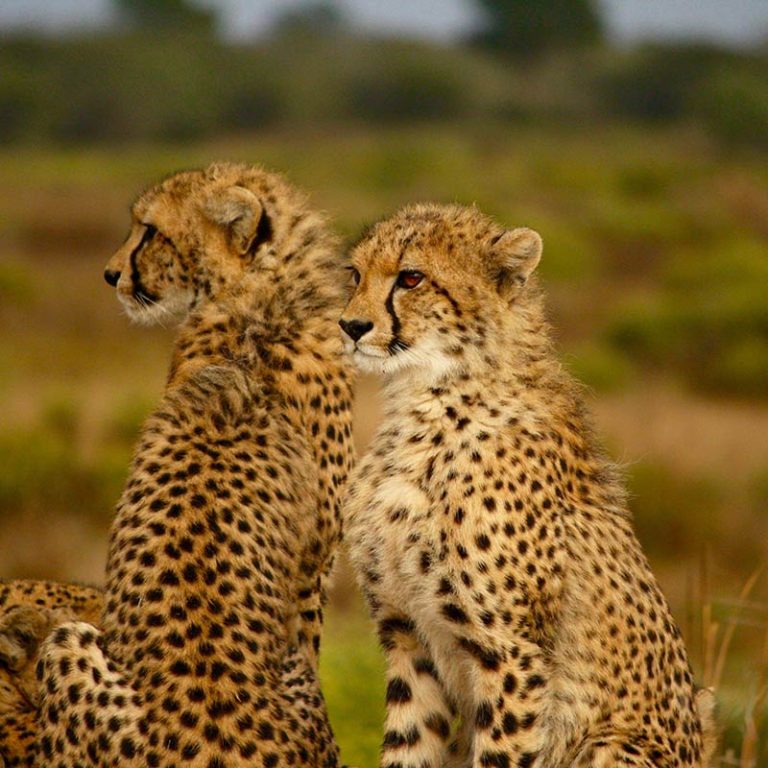
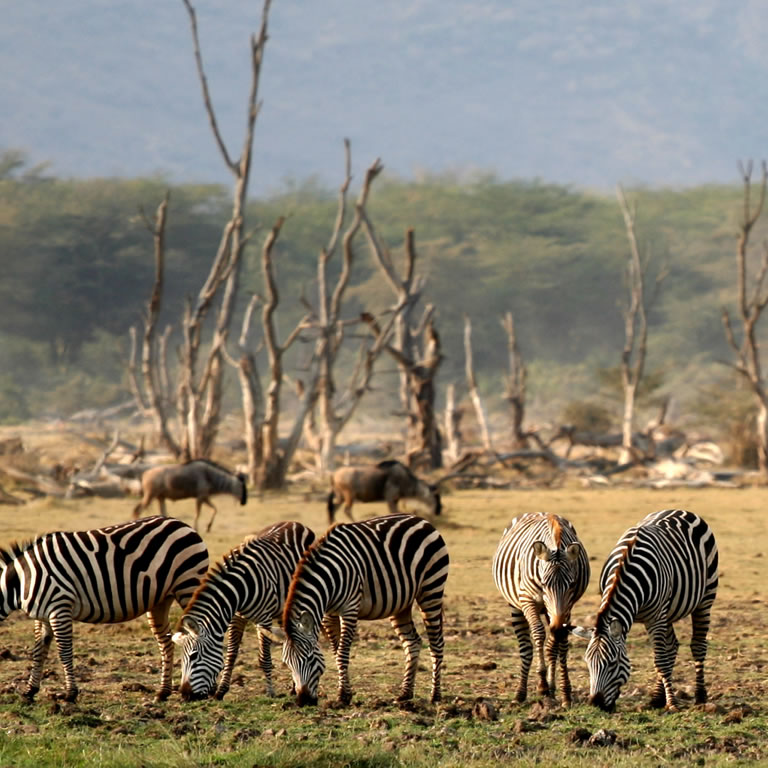
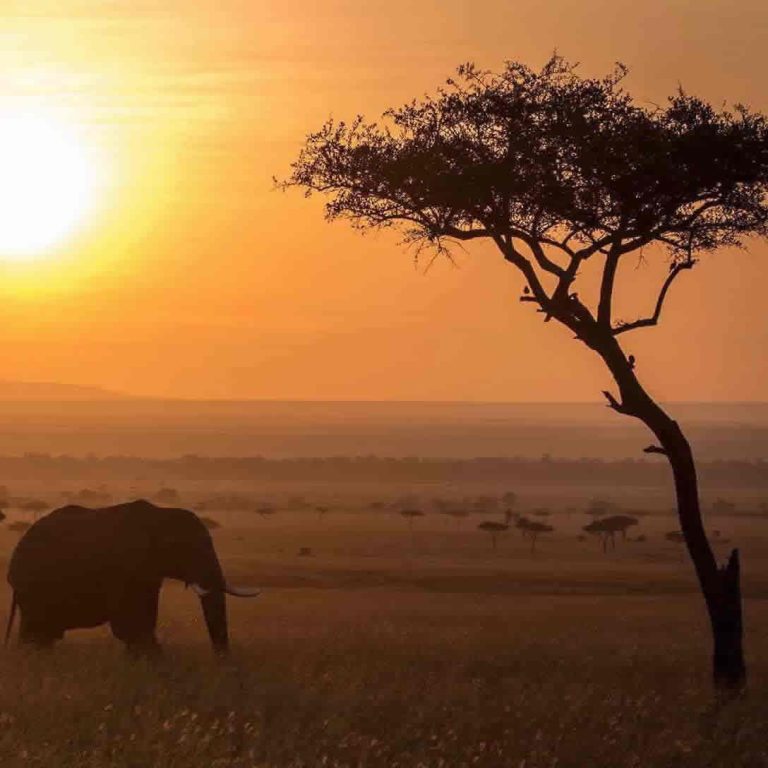
Few countries pack as much variety into one trip. In a single itinerary you can watch lions on the open Serengeti, drop into the Ngorongoro Crater — a collapsed volcano sheltering one of Africa's densest concentrations of wildlife — explore baobab-dotted Tarangire with its big elephant herds, and look for tree-climbing lions and flamingos around Lake Manyara. You may meet the Great Migration, the Big Cats, elephants, giraffes, zebras, hippos, and hundreds of bird species, all framed by dramatic landscapes. Then you can fly to Zanzibar and end the same trip on a beach. That range — plains, craters, lakes, culture and coast — is what makes Tanzania special.
Tell us what you most want to see and we'll match you to the right parks.
Most first-timers do best on the Northern Circuit: Tarangire, Lake Manyara, the Ngorongoro Crater, and the Serengeti. Tarangire is known for elephants and ancient baobabs; Lake Manyara for birdlife, hippos and forest; Ngorongoro for reliable, concentrated game viewing including a strong chance of rhino; and the Serengeti for classic plains, big cats and the migration. Shorter trips often focus on Tarangire and Ngorongoro, while longer trips add the Serengeti and a cultural stop. Southern parks like Selous (Nyerere) and Ruaha are wilder and quieter if you want fewer vehicles.
See our parks overview or ask us to suggest a route for your dates.
It depends on pace and how far you travel into the parks:
Driving distances in the north are real, so an extra day often means less time in the car and more time watching wildlife. Internal flights can shorten long transfers when time is tight.
We'll tailor the length around your flights, budget and comfort — request a quote.
Lion, leopard, elephant, buffalo and rhino are all present, and the Ngorongoro Crater plus the Serengeti give you a genuine chance at all five — rhino being the hardest to find. That said, this is wild nature, so no sighting is ever guaranteed. The most memorable safaris are rarely just a checklist: they're about the whole ecosystem — a cheetah on a termite mound, a river full of hippos, vultures circling a kill, weaver birds, and the light at sunrise. Go in curious about everything and the Big Five often takes care of itself.
The Great Migration is the year-round movement of well over a million wildebeest, plus zebra and gazelle, around the Serengeti–Mara ecosystem in search of fresh grazing. It follows the rains, so its location shifts and is never guaranteed on an exact date. As a rough guide, the calving season is usually associated with the southern Serengeti and Ndutu plains in the early months of the year, while the dramatic river crossings are generally a northern-Serengeti event later in the year. Because timing varies, the best approach is to plan around where the herds are expected during your travel window.
Ask us to match your itinerary to the latest herd movements for a migration-focused safari.
Both work well — it comes down to flexibility versus price.
For tailor-made comfort we usually recommend a private safari; for value, a small group can be a great choice.
Northern-circuit game drives typically use a 4x4 with a pop-up roof, so everyone can stand and view wildlife and photograph comfortably. Good vehicles are built for long, dusty game-drive days — every seat is a window seat, and many carry a cool box for water and charging points for cameras and phones. Your guide-driver does double duty: navigating the tracks and reading animal behaviour to find sightings. Comfortable transport matters more than people expect, because some park-to-park transfers are long. We'll confirm the exact vehicle and inclusions on your quote.
There's something for every style and budget — budget camping, mid-range lodges and tented camps, and luxury lodges or intimate boutique camps. Don't be put off by the word "tented": a good tented camp usually means proper beds, en-suite bathrooms, hot water and a dining area, with canvas walls that put you close to the sounds of the bush. Location matters too — staying inside or right beside a park cuts driving time and gets you to wildlife earlier and later in the day, when it's most active.
Browse accommodation styles and we'll match lodges to your taste.
Keep it light, neutral and layered. The essentials: muted clothing (khaki, olive, beige), light layers for warm days, a warm fleece or jacket for chilly early mornings, a sun hat, sunglasses, high-SPF sunscreen and insect repellent. Bring a camera and binoculars, comfortable closed shoes, a small day bag, a reusable water bottle, any personal medication, a power bank, and digital plus paper copies of your documents. Avoid very bright colours and heavy hard-sided luggage — soft duffel bags are easier in safari vehicles and light aircraft, which often have strict weight limits.
Yes — Tanzania can be wonderful for families with the right plan. The key is a relaxed pace, child-friendly lodges, shorter driving days, built-in rest time, and a private vehicle so you can adapt the day to the kids. Some lodges and activities have minimum ages, so we plan around that. A few practical tips: pack snacks and sun protection, keep little ones seated and quiet at sightings, and follow your guide's safety briefing. A family safari plus a few easy days on Zanzibar's beaches is a combination families love.
We design family-friendly safaris around your children's ages and energy.
It's one of the most romantic trips you can take. Picture private game drives at golden hour, sundowners overlooking the plains, candlelit dinners, and beautiful lodges and tented camps built for two. Where available, a dawn hot-air balloon over the Serengeti is unforgettable, and many camps can arrange special touches for an anniversary or honeymoon. The classic finale is to swap the bush for the beach with a few nights on Zanzibar — adventure first, then pure relaxation together.
Let us craft a honeymoon safari and Zanzibar itinerary just for you.
Absolutely — it's one of our most popular trips. A typical flow: arrive into Kilimanjaro or Arusha, enjoy your northern Tanzania safari, then take a short domestic flight to Zanzibar for beaches, Stone Town, spice tours, snorkelling or diving. The contrast is the magic — dusty, exciting game drives followed by warm ocean and slow island days. It works beautifully for honeymooners, families, and anyone who wants both adventure and rest in one holiday. Just remember Zanzibar has its own mandatory inbound insurance (see the Visa, Health & Insurance tab).
Add Zanzibar to your safari and we'll handle the flights, transfers and timing.
A fast way to picture your safari by traveller type. Starting points only — we tailor parks, pace and lodges to you.
| Traveller type | Suggested parks | Duration | Good to know |
|---|---|---|---|
| First-time safari | Tarangire, Serengeti, Ngorongoro | 5–7 days | The classic Northern Circuit all-rounder. |
| Short on time | Lake Manyara, Ngorongoro (+ Tarangire) | 3–4 days | Big rewards close to Arusha; no Serengeti flying needed. |
| Great Migration focus | Serengeti (Ndutu or northern) | 7–10 days | Position by season — herds follow the rains. |
| Family | Tarangire, Ngorongoro + relaxed lodges | 6–9 days | Private vehicle, shorter drives, rest days. |
| Photographer | Private safari, extra Serengeti time | 7–10+ days | More days on the plains = better light and sightings. |
| Quiet/wild feel | Nyerere (Selous), Ruaha — Southern Circuit | 4–7 days | Fewer vehicles; great for repeat visitors. |
Our most-loved game-drive itineraries — each one fully customisable.
| Route | What it's about |
|---|---|
| Tarangire + Lake Manyara + Ngorongoro | The best short safari: elephants and baobabs, forest and birdlife, then a wildlife-packed crater. |
| Serengeti + Ngorongoro + Tarangire | The classic Northern Circuit — endless plains, big cats and the crater. The ideal first full safari. |
| Migration safari (Ndutu or northern Serengeti) | Timed to the herds — calving in the south early in the year, river crossings up north later on. |
| Northern Circuit + cultural day | Classic wildlife paired with a respectful community or cultural experience near the parks. |
| Southern Circuit (Nyerere + Ruaha) | Wilder, quieter parks with boat safaris and big elephant country — fewer vehicles around. |
| Private photographic safari | Your own vehicle and guide, extra plains time, and the freedom to linger for the perfect shot. |
What to bring (and sort) before your game drives begin.
Mount Kilimanjaro is Africa's highest peak and one of the world's most famous treks — a walk, not a technical climb, but a serious physical challenge all the same. Success comes down to choosing the right route, allowing enough days to acclimatise, walking slowly, training in advance, and trusting an experienced guiding team. Realistic expectations matter more than raw fitness.
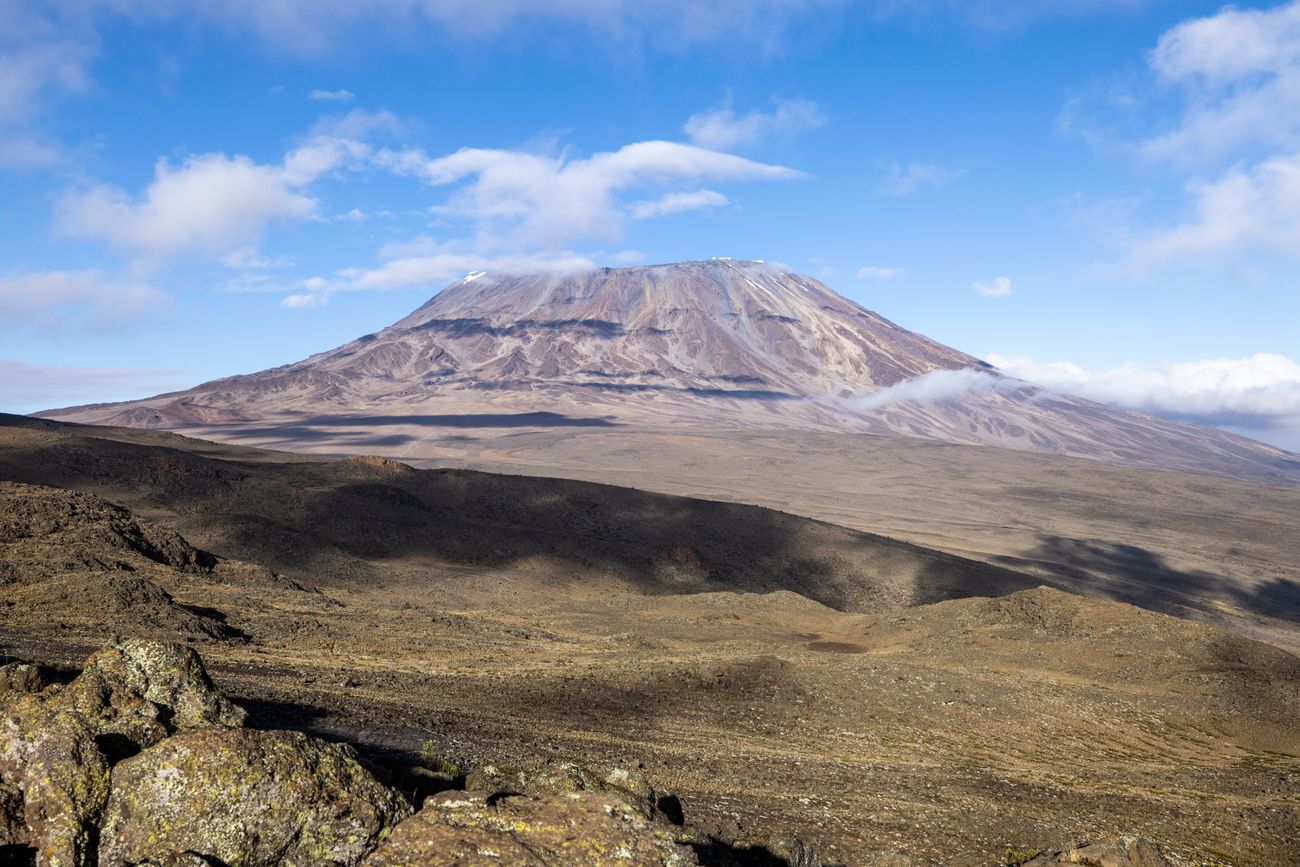
Yes — many people who reach the summit are not mountaineers. On the main routes Kilimanjaro is a non-technical trek, meaning no ropes or climbing skills are required. What makes it hard is the combination of altitude, long walking days, cold, and a demanding summit night. Beginners do well when they train beforehand, choose a route with a good acclimatisation profile, allow enough days, bring proper gear, and pace themselves with the guides. Go in fit, humble and patient, and the mountain is very achievable — but no operator can promise a summit.
New to trekking? We'll recommend a beginner-friendly route.
There's no single best route — the right one depends on your time, fitness, budget and acclimatisation needs.
Generally, longer routes give your body more time to adjust.
Compare options on our Kilimanjaro routes page.
Most treks run 6 to 8 days on the mountain, depending on the route. As a rule, more days means better acclimatisation and a more comfortable, safer climb — extra nights at altitude let your body adjust, which improves your chances on summit night. We also recommend arriving at least a day early to rest, organise gear and meet your guides, and building in recovery time afterwards. No reputable operator can guarantee the summit, but a longer, well-paced itinerary gives you the best realistic chance.
See trek lengths on our Kilimanjaro packages.
Altitude sickness (acute mountain sickness) happens when your body hasn't yet adjusted to the lower oxygen levels found at height. Common early signs include headache, nausea, tiredness, dizziness and poor sleep. It can affect very fit people too, which is why slow walking and enough acclimatisation days matter so much. Your guides monitor everyone closely — often with regular health checks — and the golden rules are to ascend slowly ("pole pole", slowly slowly in Swahili), drink plenty of water, eat well, and tell your guide immediately if you feel unwell. Always discuss altitude and any medication with your doctor before the trip.
You should be comfortable walking for several hours a day, over consecutive days, sometimes uphill and on uneven ground, carrying a light daypack. You don't need to be an athlete, but training makes a real difference to your enjoyment and your chances. In the months before, build up with long hikes (ideally with hills), stair climbing, regular cardio, and some leg and core strength work. Practising with the daypack and boots you'll actually use helps avoid surprises. The fitter and more rested you arrive, the more energy you'll have for the long summit night.
Layering is everything, because you pass through several climate zones in a few days. Core items: thermal base layers, insulating mid-layers, a warm down or synthetic jacket, and a waterproof/windproof jacket and trousers. Add warm hat, gloves, buff, broken-in trekking boots and good socks, a headlamp, a daypack, water bottles or a bladder, sunglasses and high-SPF sunscreen, plus personal medication and some snacks. A warm sleeping bag is essential on camping routes (check whether it's provided or rented). Because the exact list varies by route and what your package includes, we'll send a detailed, personalised kit list.
We provide a full gear checklist with every Kilimanjaro package.
The drier months are generally preferred for clearer trails and views, with the main rainy periods best avoided if you can. That said, Kilimanjaro makes its own weather, and conditions can change quickly at any time of year — summit night is bitterly cold whenever you go. Shoulder and rainy seasons mean fewer crowds but a higher chance of wet days. The best window for you also depends on how Kilimanjaro fits with the rest of your Tanzania plans, such as a safari or a beach finish.
Ask us to suggest dates that suit both your climb and your wider trip.
Yes. Kilimanjaro must be climbed with a licensed operator and a professional crew — you can't trek it independently. Your team typically includes experienced guides plus porters and a cook, who carry the main gear, set up camp, prepare meals and look after the route logistics. This is about safety as much as comfort: guides manage pacing, monitor your health, and make the call on summit night or, if needed, descent. We're also committed to fair porter welfare — sensible loads, proper pay, food and shelter — which we're glad to discuss when you book.
Yes, and it's a fantastic way to see the whole country. Two popular orders work well:
Either way, we build in recovery time after the mountain so you arrive on the island ready to relax.
Plan Kilimanjaro + safari + Zanzibar as one seamless trip.
Your safety always comes first. Guides watch the whole group carefully, and if symptoms or exhaustion become serious they may recommend resting, slowing down, or descending — descent is the most reliable treatment for altitude sickness. Turning back is not a failure; it's responsible mountain decision-making, and many people return to summit on a future trip. This is also why proper travel insurance matters: make sure your policy covers high-altitude trekking and any necessary evacuation, as standard plans often exclude it.
See the Visa, Health & Insurance tab for trekking-cover tips.
A side-by-side starting point. Longer routes generally mean better acclimatisation — we'll match a route to your fitness and dates.
| Route | Typical days | Acclimatisation / style | Best for |
|---|---|---|---|
| Machame | 6–7 days | Good "climb high, sleep low" profile; tents | Scenery and a solid first-timer choice. |
| Lemosho | 7–8 days | Longer, strong acclimatisation; tents | Higher comfort and summit-success odds. |
| Marangu | 5–6 days | Shorter; hut accommodation | Those who prefer huts and a shorter trek (less time to adjust). |
| Rongai | 6–7 days | Drier northern approach; tents | Quieter trails and a different scenic angle. |
How climbers usually build the rest of the trip around the mountain.
| Combination | What it's about |
|---|---|
| Kilimanjaro only | Focused climb with arrival and recovery days — straightforward and time-efficient. |
| Kilimanjaro + safari | Summit first, then unwind on game drives in the Northern Circuit. The classic double. |
| Safari first + Kilimanjaro | A gentler warm-up that eases you into the rhythm before the climb. |
| Kilimanjaro + Zanzibar | Earn the summit, then recover on the beach — pure challenge-and-reward. |
| Kilimanjaro + safari + Zanzibar | The full Tanzania: mountain, wildlife and island, with recovery time built in. |
Layering is everything. We send a full personalised kit list with every climb — here's the core.
Zanzibar is the perfect way to end an East African adventure — soft white-sand beaches, warm turquoise water, fragrant spice farms, and the layered Swahili, Arab and Indian history of Stone Town. Add snorkelling, diving and sunset dhow sailing and you have a relaxed island finish after safari or Kilimanjaro.
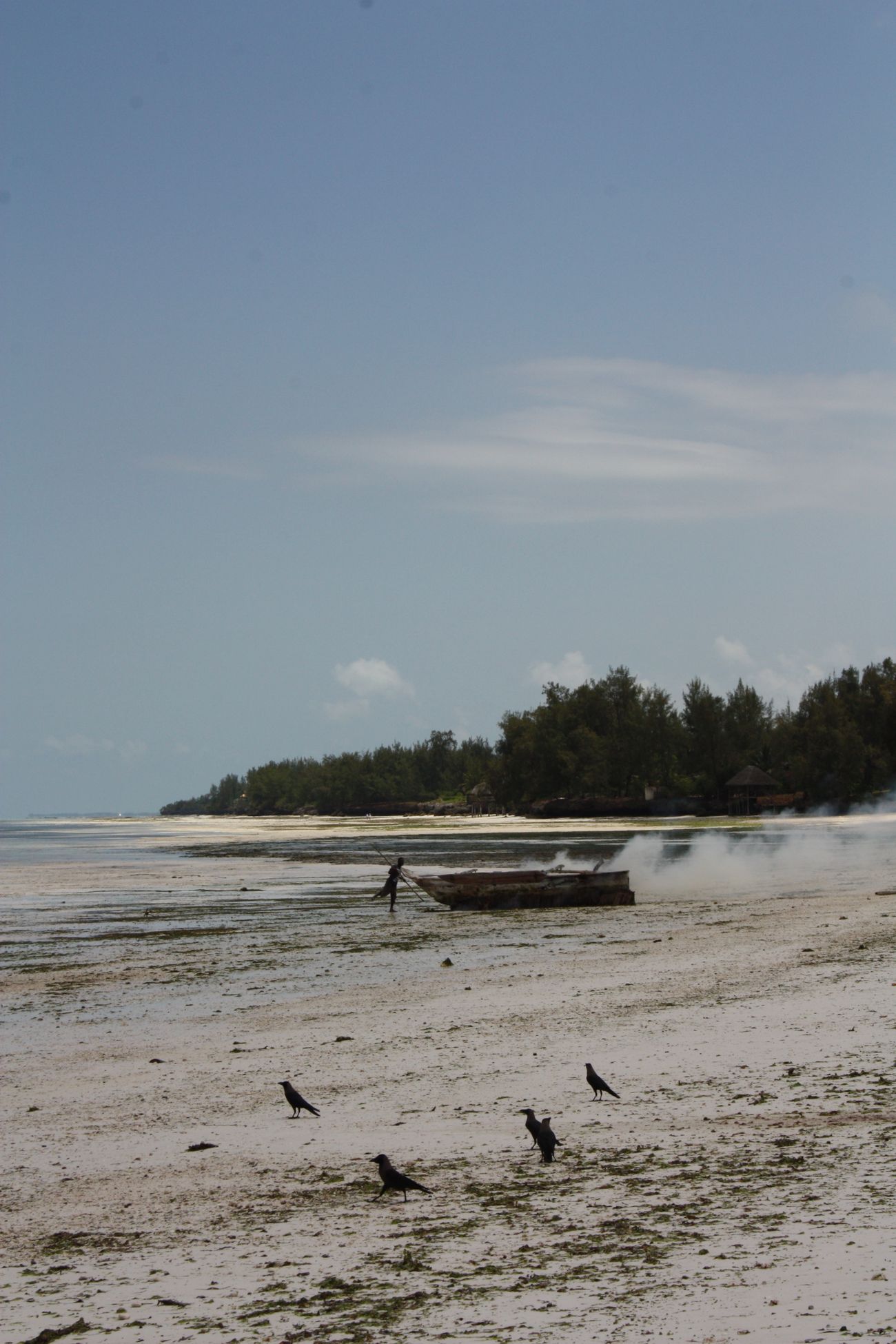
Safari is exhilarating but active — early starts, long game drives and plenty of dust. Zanzibar is the exhale: warm ocean swims, fresh seafood, slow beach days, spa time and centuries of culture in Stone Town. The change of scene and pace is exactly what makes the combination so satisfying, whether you're celebrating a honeymoon, travelling as a family, or recovering tired legs after Kilimanjaro. A short domestic flight links the bush and the beach, so you can go from your last sunrise game drive to your first sunset over the Indian Ocean within the same day.
We'll connect your Zanzibar holiday straight onto your safari.
It depends on whether you want a quick reset or a proper island holiday:
It's worth planning around flight schedules and check-in/out times so you don't lose beach days to travel. We'll line up the timings so your island days feel unhurried.
Each area has its own character — the best choice depends on the beach style and atmosphere you want:
Tell us your ideal beach day and we'll suggest the right base.
Beautifully so. Think barefoot beach resorts, private candlelit dinners on the sand, sunset dhow cruises, couples' spa treatments, and rooms that open straight onto the ocean. It pairs naturally with a romantic safari, so you can have your adventure together and then slow right down for the part of the trip that's just about the two of you. We can arrange special touches and choose properties known for privacy and atmosphere.
Ask about our honeymoon beach stays.
Yes, with the right hotel and area. Look for resorts with pools, calm swimming, family rooms and gentle activities, and base yourself where transfers are short so travel days stay easy. Kids usually love spice farms, glass-bottom boats and the giant tortoises near Stone Town. One practical thing to plan around is the tide — some east-coast beaches retreat a long way at low tide, so for reliable all-day swimming we'll point you to the right spots and time your excursions accordingly.
We tailor family beach stays around tides and ages.
Beachwear is perfectly fine on the beach and at your resort. Away from the resort, though, Zanzibar is a predominantly Muslim island, and it's respectful to dress modestly in villages, markets, Stone Town and any cultural or religious sites — covering shoulders and knees is a good rule for everyone. Light, breathable clothes, a scarf or light cover-up, and comfortable sandals go a long way. Dressing thoughtfully is appreciated by local communities and makes for warmer, easier interactions.
Very much so. Stone Town is a UNESCO World Heritage site and the cultural heart of Zanzibar — a maze of narrow alleys, carved wooden doors, bustling markets, and a waterfront that comes alive at sunset. Its blend of Swahili, Arab, Indian and European influences shows up in the architecture, the music and the food, including the lively Forodhani night market. A guided walking tour brings the history to life, from the spice trade to the old town's many stories. Even one afternoon here adds real depth to a beach holiday.
We can add a guided Stone Town tour to your stay.
Plenty, whether you want to be busy or barely move. Popular options include spice-farm tours, Stone Town walks, snorkelling and scuba diving on coral reefs, sunset dhow cruises, a visit to Changuu (Prison Island) and its giant tortoises, and Jozani Forest to see the rare red colobus monkeys. You can also take a Swahili cooking class, join a seafood or sandbank experience, or simply relax on the beach. We'll help you pick a handful that fit your pace so the island still feels like a holiday, not a checklist.
Yes. Since 1 October 2024, Zanzibar requires most non-resident visitors to buy a mandatory inbound travel insurance policy from the Zanzibar Insurance Corporation (ZIC) — this is separate from, and in addition to, your own travel insurance. At the time of writing it costs around USD 44 per adult (reduced rates may apply for children, with very young children often exempt) and is valid for up to about 92 days. You buy it online before you travel via the official portal and present the QR-code confirmation at immigration on arrival. Because fees and rules can change, please confirm the current details on the official Visit Zanzibar inbound insurance portal before departure.
We remind every Zanzibar guest about this step and guide you through it.
Yes — it's one of the things we do most. We plan the whole journey end to end: the domestic flights, airport transfers, the right hotel and area for your trip, and a pace that gives you real downtime after the bush or the mountain. We'll also flag practical details like the mandatory Zanzibar inbound insurance and the best beach areas for your dates and tides, so the island portion is effortless from the moment you land.
Request a tailor-made quote and we'll join the dots.
Where to base yourself by the kind of beach day you want. We'll match the area to your dates and the tides.
| Area | Vibe | Best for | Suggested nights |
|---|---|---|---|
| Stone Town | History, culture, food | A cultural start or finish | 1–2 |
| Nungwi & Kendwa (north) | Postcard beaches, sunsets, lively | Swimming any time of day | 3–5 |
| East coast | Long sandy beaches, bigger tides | Kitesurfing, quieter resorts | 3–5 |
| South & south-east | Calm, boutique, laid-back | Honeymoon and slow days | 3–6 |
How guests usually pair the island with the rest of their trip.
| Combination | What it's about |
|---|---|
| Safari + Zanzibar | Adventure then relaxation — game drives in the north, then warm ocean and slow island days. |
| Kilimanjaro + Zanzibar | Recover tired legs on the beach after the summit. |
| Honeymoon Zanzibar | Barefoot resorts, sunset dhow cruises and private dinners for two. |
| Family Zanzibar | Pools, calm swimming, spice farms and tortoises — with short transfers. |
| Stone Town + beach | A guided cultural day, then straight to the sand. |
| Diving / snorkelling focus | Reef time, sandbanks and boat trips for water lovers. |
A few island-specific things to sort before you fly.
Tanzania is a year-round destination, so there's rarely a "wrong" time to come — there's just a best time for your goal, whether that's classic wildlife viewing, the Great Migration, a Kilimanjaro climb, perfect beach days, fewer crowds, or better value. Here's how the seasons shape your trip.
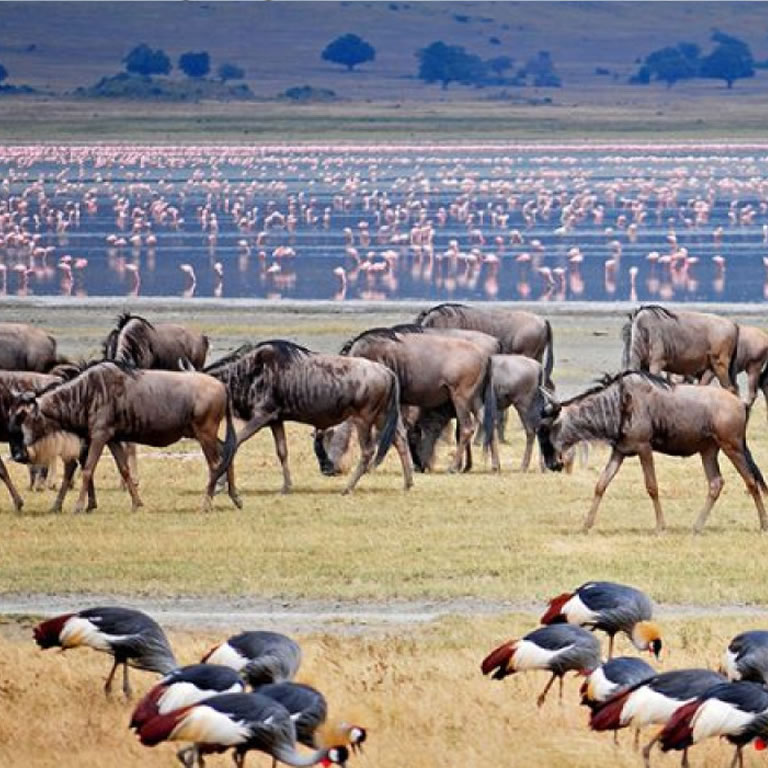
There isn't one perfect month — it depends on what you want. The dry season is the most popular for safari because vegetation thins out and animals gather near water, making wildlife easier to spot, and roads are generally better. The green (wetter) seasons bring lush scenery, dramatic skies, excellent birdlife, newborn animals in some areas, fewer crowds and often lower prices. Both can be brilliant. Tell us your priorities — big cats, the migration, beaches, budget, quiet parks — and we'll point you to the months that suit you best.
As a general guide (it varies by region and year):
Climate is shifting and local conditions differ, so treat these as patterns rather than guarantees.
The migration is in the Serengeti ecosystem all year — what changes is where the herds are. The calving season is generally associated with the southern Serengeti and Ndutu in the early months of the year, a great time for newborns and predator action. The famous river crossings are typically a northern-Serengeti event later in the year. Because everything follows the rains, exact timing varies and can't be promised, so the trick is to position your itinerary where the herds are expected during your travel window.
Ask us for a migration-timed route based on the latest movements.
The drier months are usually the most reliable for beach days, with calmer seas and plenty of sunshine, but Zanzibar is enjoyable for much of the year. Keep two local factors in mind: the tides, which on some east-coast beaches retreat a long way at low tide, and the seasonal monsoon winds, which can affect the water and conditions for snorkelling, diving and kitesurfing. We'll match your beach area and excursions to your dates so you get the best of the water.
The drier climbing windows are generally preferred for clearer trails and better views, and the heaviest rainy periods are best avoided if possible. But the mountain creates its own weather, so conditions can turn quickly in any season, and summit night is extremely cold year-round — good layers matter more than the calendar. Quieter shoulder seasons can mean fewer trekkers but a higher chance of rain. We'll suggest dates that work for both your climb and the rest of your trip.
Not at all — it just offers a different experience. The upsides are real: vivid green landscapes, photogenic skies, far fewer vehicles, lots of birdlife (including migrants), and newborn animals in some areas. The trade-offs are muddier roads that can slow travel or call for itinerary tweaks, and a few seasonal camps that close. With a sensible route and a good 4x4, the green season can be a wonderful — and often better-value — time to be on safari.
Generally warm, sunny days with noticeably cooler early mornings and evenings, especially at higher-altitude areas like Ngorongoro, where dawn game drives can be genuinely chilly. Expect dust in the dry months and the chance of showers in the wetter months. The simplest approach is to dress in layers you can add and remove through the day, with a warm fleece or jacket for those crisp sunrise starts and a light rain layer just in case.
You'll trek through several climate zones in a handful of days — from warm, humid lower-slope forest up through moorland and alpine desert to freezing, low-oxygen conditions near the summit. Temperatures can swing dramatically between day and night, and summit night is bitterly cold and windy whatever the season. That's exactly why layering and proper cold-weather gear are non-negotiable. Your guides will brief you each day on what to expect and what to wear.
General patterns only — climate is shifting and conditions vary by region and year, so treat these as a guide rather than a guarantee.
| Season | Roughly | Conditions | Best for |
|---|---|---|---|
| Long dry season | Jun–Oct | Dry, cooler mornings, dusty | Classic wildlife viewing, river crossings, Kilimanjaro, beaches. |
| Short rains | Nov–Dec | Brief afternoon showers, greening up | Fewer crowds, good value, birdlife. |
| Warm/drier window | Jan–Feb | Warm and often drier | Calving season in the south, beaches, Kilimanjaro. |
| Long rains | Mar–May | Wettest, lush, quietest parks | Green-season value, dramatic skies, keen birders. |
If you have one priority, here's the window to aim for.
| Your goal | Aim for | Why |
|---|---|---|
| Easy wildlife viewing | Jun–Oct | Thin vegetation and animals near water make spotting easier. |
| Migration calving | Jan–Feb (Ndutu/south) | Newborns and predator action on the southern plains. |
| Migration river crossings | Roughly Jul–Oct (north) | Dramatic crossings — timing follows the rains, never guaranteed. |
| Kilimanjaro climb | Drier months | Clearer trails and views; summit night is cold year-round. |
| Zanzibar beaches | Drier months | Calmer seas and reliable sunshine; mind tides and monsoon winds. |
| Fewer crowds & value | Green seasons | Lush scenery, lower prices and quieter parks. |
Pack for the season you're travelling in — and always for cool mornings and the odd shower.
Entry and health requirements vary by nationality, route, transit country and travel date, and they can change without much notice. The guidance below is a starting point — always confirm the current rules on official sources before you book flights and again before you depart. When in doubt, ask us.
Official sources to check: Tanzania Immigration (immigration.go.tz) and the official eVisa portal (visa.immigration.go.tz); the Zanzibar inbound insurance portal (visitzanzibar.go.tz); and travel-health guidance such as the CDC Tanzania page and your own national travel-health service or a travel clinic.
Most visitors do, though a number of nationalities are exempt for short stays, so requirements depend on your passport. The standard tourist visa is a single-entry "Ordinary" visa, while citizens of some countries (for example, US passport holders for tourism) are required to apply for a multiple-entry visa instead. The reliable way to check is the official Tanzania Immigration and eVisa websites, or your nearest Tanzanian embassy or consulate, using your specific nationality. Fees and categories can change, so confirm before you pay.
Not sure which visa you need? Ask us and we'll point you to the official portal.
Yes. Tanzania has an official online (eVisa) system covering both Mainland Tanzania and Zanzibar, and applying online before you fly is the recommended approach — it avoids queues and uncertainty on arrival. Apply only through the official government portal (beware of look-alike sites that charge inflated fees), allow a couple of weeks for processing, and double-check that you've selected the correct visa type and category for your nationality and trip. As a rough guide, a single-entry tourist visa is commonly USD 50 (valid up to 90 days) and a multiple-entry visa around USD 100, but confirm current fees on the official site.
Be ready to show, as applicable: your passport, your visa or eVisa approval, a return or onward air ticket, and details of your itinerary and accommodation. You may also be asked for proof of sufficient funds and, depending on where you're travelling from, a yellow fever certificate. Officials apply document checks whether you arrive on an eVisa or otherwise, so it helps to carry both digital and printed copies. Exact requirements can change — verify the current wording on the official immigration sources before you travel.
A common requirement is that your passport be valid for at least six months beyond your date of entry, with at least one or two blank pages for stamps. Some airlines apply their own rules too. Because validity and blank-page requirements can vary and are strictly enforced, check your passport early and confirm the exact rule with the official immigration source and your airline — and renew well ahead if you're anywhere close to the limit.
It depends on where you're coming from. A yellow fever vaccination certificate is generally required if you are arriving from, or have transited (often beyond a set number of hours) through, a country with risk of yellow fever transmission — mainly parts of sub-Saharan Africa and South America. Travellers flying in directly from countries without that risk usually don't need it for entry, but rules and risk lists change. Please check the current official Tanzania health and immigration guidance, and speak to a travel clinic, well before you go. If you do need it, the certificate becomes valid 10 days after vaccination.
Combining countries in East Africa? Tell us your routing and we'll flag what to check.
Tanzania, including Zanzibar, is in a malaria-risk region according to health authorities, so prevention is important. Discuss antimalarial medication with your doctor or a travel clinic well before departure, since the right choice depends on your health, your itinerary and timing. Alongside medication, reduce bites by using insect repellent, wearing long sleeves and trousers in the evening, and sleeping under a mosquito net where provided. If you develop a fever during or after your trip, seek medical advice promptly and mention that you've travelled to a malaria area.
We can't give medical advice, so the most important step is a visit to a travel clinic or your doctor four to six weeks before you go. They'll review your routine vaccinations and discuss destination-relevant ones — commonly things like hepatitis A, typhoid and tetanus, with others considered based on your health and plans — as well as malaria prevention and yellow fever if relevant to your routing. Personalised, official health advice always beats a generic checklist.
Strongly — we consider it essential. Choose a comprehensive policy that covers medical emergencies and, importantly, emergency evacuation, along with trip cancellation and interruption, delays and lost baggage. Make sure it covers the activities you'll actually do: safari game drives, and for climbers, high-altitude trekking on Kilimanjaro, which standard policies often exclude unless you add it. Read the fine print on altitude limits and adventure activities, and carry your policy details and the insurer's emergency number with you.
Climbing Kilimanjaro? Double-check your policy covers your route's maximum altitude.
Yes. Since 1 October 2024, Zanzibar requires most non-resident visitors to purchase mandatory inbound travel insurance from the Zanzibar Insurance Corporation (ZIC), in addition to any personal travel insurance you hold. At the time of writing it's around USD 44 per adult (reduced or no charge for younger children may apply) and valid for up to roughly 92 days; you buy it online beforehand and show the QR-code confirmation at immigration. Because the fee and rules can change, confirm the latest details on the official Visit Zanzibar inbound insurance portal before you travel.
Heading to the island? We'll remind you to arrange this in good time.
Transit can change your requirements. The country you pass through may have its own visa or transit rules, and — important for Tanzania — transiting a yellow fever risk country (sometimes beyond a set number of hours) can trigger a yellow fever certificate requirement on arrival. Check the entry and health rules for every country you'll enter or transit, not just your final destination, and confirm them close to departure since they can change. If your routing is complex, share it with us and we'll help you spot what to verify.
A snapshot to plan around — always confirm the current rule for your nationality and routing on the official source.
| Requirement | What to know | Where to verify |
|---|---|---|
| Tourist visa | Most need one; single-entry ~USD 50 (≤90 days). US passports require multiple-entry ~USD 100 (1 yr). | visa.immigration.go.tz |
| eVisa | Apply online before you fly via the official portal; allow ~2 weeks. Avoid look-alike sites. | visa.immigration.go.tz |
| Passport | Commonly valid 6+ months beyond entry, with a blank page; airlines may add rules. | immigration.go.tz + your airline |
| Yellow fever | Certificate required if arriving from / transiting a risk country; valid 10 days after vaccination. | Official health guidance + travel clinic |
| Malaria | Risk region; discuss prevention with a doctor before travel. | CDC Tanzania + your doctor |
| Travel insurance | Essential — include evacuation, and altitude trekking if climbing. | Your insurer's policy wording |
| Zanzibar inbound insurance | Mandatory ZIC policy, ~USD 44/adult, valid ~92 days; QR shown at immigration. | visitzanzibar.go.tz |
Carry digital and printed copies — checks apply whether you arrive on an eVisa or otherwise.
| Document | Notes |
|---|---|
| Passport | Valid 6+ months, with a blank page. |
| Visa / eVisa approval | Printed and saved to your phone. |
| Return / onward ticket | May be requested at the entry point. |
| Accommodation & itinerary | Hotel/first-night details and trip plan. |
| Yellow fever certificate | If arriving from / transiting a risk country (carry the original). |
| Zanzibar ZIC insurance QR | If visiting Zanzibar — shown at immigration. |
| Travel insurance details | Policy number + 24/7 emergency line. |
Work through this well before departure — most items can't be sorted at the last minute.
A great Tanzania trip is more than a booking — it's a journey designed around your dates, route, accommodation level, flights and interests. Here's how we work, what's typically included, and the practical money and logistics questions travellers ask us most.
Earlier is better, especially for peak season, the migration months, school holidays, honeymooons and the most sought-after lodges and camps, which can fill many months ahead. Booking well in advance gives you the widest choice and time to sort visas, insurance and vaccinations without rushing. Last-minute trips are sometimes possible, but options — particularly preferred accommodation and internal flights — may be limited. As a rough guide, several months ahead is comfortable for high season.
Have dates in mind? Start your enquiry early to lock in choices.
It's a friendly, step-by-step process:
We're also happy to talk it through on a free Zoom consultation. Exact booking terms are confirmed in your quote.
Prefer to chat first? Book a free Zoom consultation.
Yes — tailor-made is what we do. We can adjust which parks you visit, the trip length and pace, your accommodation level, vehicle type, and activities, as well as add a Zanzibar beach extension or choose a specific Kilimanjaro route. We also build around family needs, honeymoon touches, dietary requirements, accessibility considerations and special celebrations. Tell us what matters most and we'll shape the trip around you rather than the other way around.
Request a tailor-made quote and we'll design it together.
Most safari packages typically include your professional guide-driver and 4x4 vehicle, park and conservation fees, accommodation, meals as specified in the itinerary, airport transfers, bottled water during game drives, and the day-to-day logistics. The exact mix varies by package and budget level, so the golden rule is to read your specific quote — it will spell out precisely what's covered for your trip.
Commonly excluded items include international flights, visa fees, travel and Zanzibar inbound insurance, tips/gratuities, drinks (especially alcohol), personal expenses and souvenirs, optional or extra activities, and some domestic flights — plus anything not specifically listed. None of this is hidden; it's standard across the industry. We'll always set out inclusions and exclusions clearly so there are no surprises — just check your quote line by line.
We aim to make paying straightforward, typically with a deposit to confirm and the balance due before travel. For the current, accepted payment options — bank transfer, card or secure online payment — please see our Online Payment page or ask us directly, and always request a proper invoice and receipt for your records. We'll confirm the exact methods and schedule that apply to your booking in your quote.
See current options on our Online Payment page.
You won't need large amounts. Most of your trip is prepaid, so cash is mainly for tips, small purchases, drinks and curios. A modest amount of US dollars, plus some Tanzanian shillings for small local buys, usually covers it. In East Africa, clean, newer US dollar notes are often preferred and older or damaged notes may be refused — but check current local advice. Cards work in many hotels and larger shops, though not everywhere, so don't rely on them entirely. There's no need to carry excessive cash.
Tipping is customary and warmly appreciated, but it's always voluntary and at your discretion. Norms differ across safari guides, Kilimanjaro crews (guides, porters and cooks) and lodge staff, and Kilimanjaro tipping in particular is usually handled as a team total at the end of the climb. Rather than guess, we'll share friendly, current tipping guidance for your specific trip so you can budget comfortably and reward great service appropriately.
Ask us for a simple tipping guide tailored to your itinerary.
Don't panic — these things happen and we plan for them. Share your flight numbers with us in advance so we can monitor your arrival and adjust transfers and the day's plan where possible. Good travel insurance that covers delays and missed connections is important here, as significant disruptions can affect onward domestic flights or the first night's plans. If something goes wrong en route, contact us as soon as you can and we'll help re-coordinate the next steps.
Yes, with advance notice. Vegetarian, vegan, gluten-free, halal, allergy-aware, children's meals and most medical diets can usually be accommodated at lodges, camps and on Kilimanjaro. The more clearly you tell us your needs and the severity of any allergies when you book, the better lodges and our crew can prepare. For serious allergies, please also travel with your own medication and emergency plan as a precaution.
Note your dietary needs on your enquiry and we'll arrange the details.
When to start planning by trip type. Earlier is always safer for peak dates and sought-after lodges.
| Trip type | Ideal lead time | Why |
|---|---|---|
| Peak-season safari (Jun–Oct) | 8–12+ months | Top lodges and camps fill early. |
| Migration-timed safari | 10–12+ months | Best camps in the right area sell out first. |
| Honeymoon | 6–12 months | Time to secure romantic lodges and special touches. |
| Family trip (school holidays) | 6–12 months | Family rooms and connecting flights book up. |
| Kilimanjaro climb | 4–9 months | Permits, route choice and training time. |
| Green-season / flexible | 1–4 months | More availability; last-minute can work. |
A general picture — your quote always sets out exactly what's covered for your trip.
| Typically included | Typically excluded |
|---|---|
| Professional guide-driver & 4x4 vehicle | International flights |
| Park & conservation fees | Visa fees |
| Accommodation | Travel & Zanzibar inbound insurance |
| Meals as specified | Tips / gratuities |
| Airport transfers | Drinks (especially alcohol) & personal expenses |
| Bottled water on game drives | Optional / extra activities |
| Day-to-day logistics | Some domestic flights & anything not listed |
The practical steps that keep your booking smooth from enquiry to departure.
Responsible travel protects wildlife, respects local communities, and makes for a richer experience all round. Tanzania is warm and welcoming; a little awareness of guide instructions, park rules and local customs goes a long way. Here's how to travel safely and thoughtfully.

Tanzania welcomes large numbers of visitors every year, and the established safari areas, Kilimanjaro routes and Zanzibar beach destinations are well used to international travellers. As anywhere, sensible precautions apply: travel with a trusted operator, follow your guides, keep valuables secure and out of sight, avoid walking alone in unfamiliar areas at night, and use reputable transport. It's also wise to check your government's current travel advice before you go. With a little common sense, most visitors have a smooth, friendly trip.
Calm and respectful is the rule. Keep your voice down, never feed animals, and don't make sudden movements or noises to get their attention. Stay inside the vehicle unless your guide confirms it's safe to step out in a designated area, and keep a safe distance — in the Ngorongoro Conservation Area, for example, the official guidance is to stay at least 25 metres from animals. Let your guide manage how the vehicle approaches. Respectful behaviour keeps both you and the wildlife safe, and gives you better, more natural sightings.
Parks and conservation areas have rules that protect the ecosystem and other visitors. Generally: stay on designated roads and tracks (off-road driving is restricted), never litter, don't disturb or crowd animals, and don't remove anything natural such as plants, bones or stones. At a sighting, avoid creating a traffic jam — Ngorongoro, for instance, limits vehicles at a sighting and asks for quiet. Drones are not allowed without proper permits, and you should always follow your guide's and the park rangers' instructions. Your guide knows the specific rules for each area.
Small gestures matter. Learn a few words of Swahili — "jambo" (hello) and "asante" (thank you) are always welcome — dress modestly in towns and villages, and always ask before photographing people. Buy local crafts and pay fairly, listen and stay curious during cultural visits, and treat communities as hosts rather than as a backdrop for photos. Approaching people with genuine respect and interest leads to the warmest, most memorable encounters.
Want to meet local communities thoughtfully? Ask about our cultural tours.
Keep it light, comfortable and modest away from the resorts and beaches. In towns, villages, Stone Town, markets and any religious or cultural sites, covering your shoulders and knees is respectful for everyone. Beachwear belongs on the beach and at your hotel. For safari, neutral, layered clothing is both practical and considerate. A light scarf or cover-up is a handy, versatile item to carry for cultural spots and cooler moments.
Tourism done well is a powerful force for good here. Park and conservation fees directly fund the protection of wildlife and habitats; responsible tour operators create jobs and support local guides who share their deep knowledge; and thoughtful visitors reduce pressure on fragile ecosystems and communities. Choosing operators who respect park rules, employ and pay people fairly, and minimise their footprint means your trip leaves a positive mark — helping ensure these places thrive for the future.
A few habits make a real difference. Carry a refillable water bottle and use refill points where it's safe to do so, skip single-use plastics where you can, and bring reusable toiletries and bags. Take a small bag for your own rubbish on game drives and excursions, and never litter in parks or on beaches. It's worth knowing that some protected areas have specific rules — for example, plastic bags are not allowed in the Ngorongoro Conservation Area — and Tanzania restricts single-use plastic bags more broadly, so pack accordingly.
They can be genuinely rewarding when they're organised respectfully — with the community's consent, fair payment that benefits local people, and local guidance that lets hosts share their culture on their own terms. The visits to avoid are the staged or exploitative kind that treat people as a spectacle. We focus on experiences that are meaningful for both visitors and hosts, so you come away with real connection rather than a posed photo.
Ask us about respectful community and cultural experiences.
Always ask first — a smile and a quick gesture toward your camera is usually enough, and respecting a "no" is just good manners. This matters especially in villages, markets and cultural settings, and you should never photograph children without a guardian's permission. Some places have specific rules: in the Ngorongoro Conservation Area, for instance, photographing local people is only permitted in designated cultural bomas. When in doubt, ask your guide what's appropriate.
We're an Arusha-based team built around personalised, immersive adventures and a real commitment to sustainability. That shows up in the everyday things: local expertise and knowledgeable guides, itineraries planned with care, respect for park rules and wildlife, and a focus on experiences that benefit Tanzania's communities. We'd rather plan a trip that's good for you and good for the places you visit than rush a generic package — and we're always happy to talk through how we work.
Learn more about us or start planning with our team.
A simple do's-and-don'ts to travel respectfully and safely. Your guide will share the specific rules for each area.
| Do | Don't |
|---|---|
| Stay quiet and calm at wildlife sightings | Feed, chase or crowd animals |
| Keep a safe distance (25 m+ in Ngorongoro) | Stand or leave the vehicle unless your guide says it's safe |
| Stay on designated roads and tracks | Drive off-road or litter |
| Ask before photographing people | Photograph locals where it's not permitted (or children without consent) |
| Dress modestly in towns & Stone Town | Wear beachwear away from the beach/resort |
| Follow guide and ranger instructions | Fly drones without the proper permit |
Responsible travel turns your holiday into real support for wildlife and communities.
| Action | Impact |
|---|---|
| Paying park & conservation fees | Directly funds wildlife and habitat protection. |
| Travelling with local guides | Creates jobs and shares deep local knowledge. |
| Buying local crafts fairly | Supports community livelihoods. |
| Joining ethical cultural visits | Benefits hosts who share culture on their own terms. |
| Cutting plastic & waste | Protects fragile parks and beaches. |
| Following park rules | Reduces pressure on wildlife and habitats. |
Small habits that leave a positive mark.
Get in touch if you'd like help choosing safari parks, timing your trip around the Great Migration, adding Zanzibar, selecting a Kilimanjaro route, planning a honeymoon or family trip, picking lodge categories, or simply understanding what's included in your quote. We're a local team and we're happy to talk it through.
Information on this page is provided in good faith to help you plan and is not legal, medical or financial advice. Visa, entry, health, park and insurance requirements can change at any time and vary by nationality and routing — always confirm current rules on official sources before you travel. Last updated 20 June 2026.
Recognized by leading travel and review platforms for delivering exceptional experiences and trusted service.